
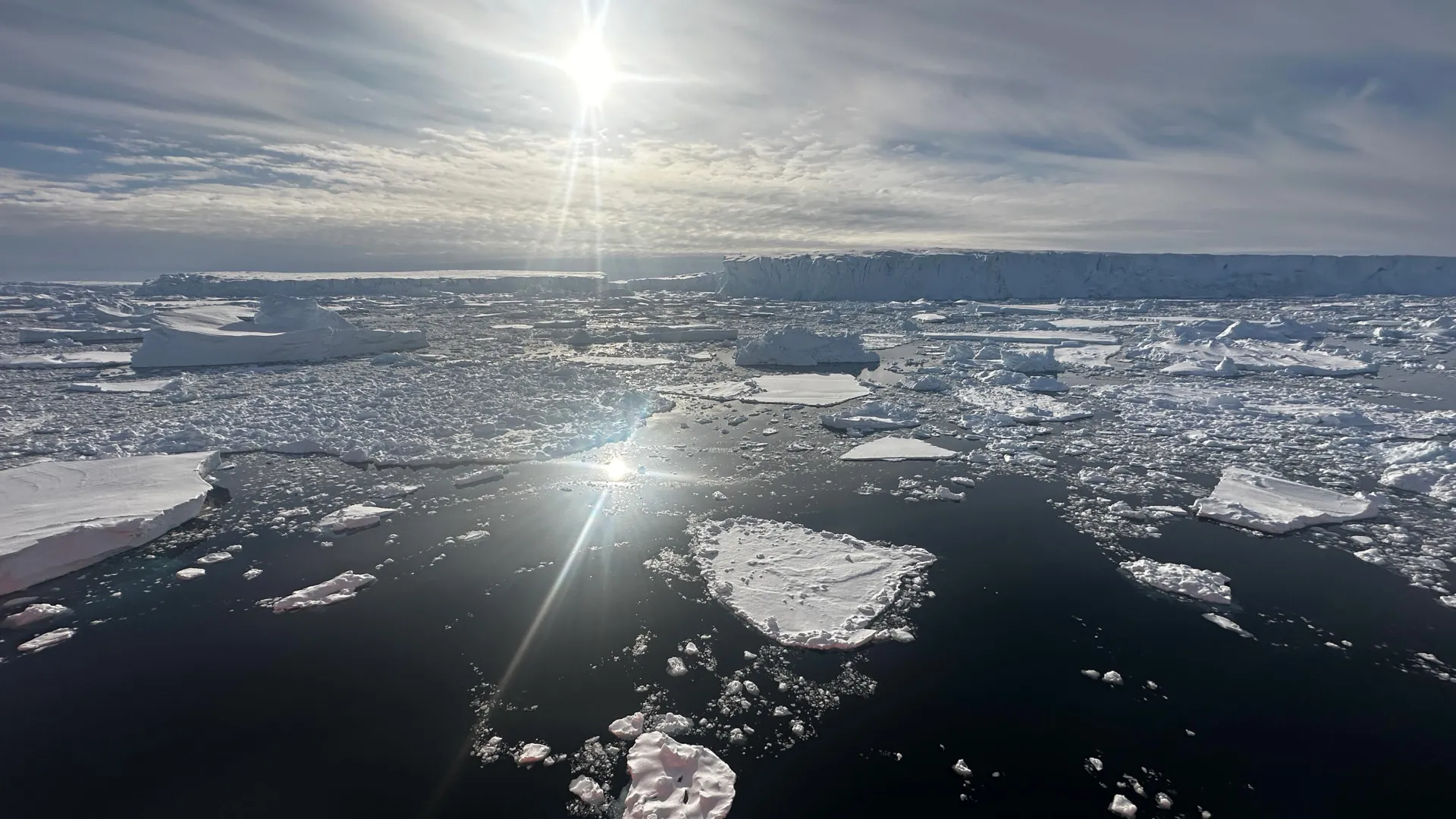
Antarctica’s Thwaites Glacier may be melting twice as much as previously predicted, even without additional global warming. Scientists discovered that warm ocean water is penetrating miles beneath the ice, weakening its foundations and accelerating its retreat. A new model predicts that the glacier could add up to 30 millimeters to global sea levels by 2100, with a 60% chance of losing a crucial stabilizing ridge.
📰
Official News Attribution
Credit to: ScienceDaily Earth & Climate
Antarctica’s “Doomsday Glacier” could raise sea levels twice as much as predicted
📖
Narrative & Context
Antarctica’s Thwaites Glacier may be melting twice as much as previously predicted, even without additional global warming. Scientists discovered that warm ocean water is penetrating miles beneath the ice, weakening its foundations and accelerating its retreat. A new model predicts that the gla...
📌
Major Points & Key Findings
- Scientists discovered that warm ocean water is penetrating miles beneath the ice, weakening its foundations and accelerating its retreat.
- A new model predicts that the glacier could add up to 30 millimeters to global sea levels by 2100, with a 60% chance of losing a crucial stabilizing ridge.
📰
Complete News Dispatch & Investigation
💡
Conclusion
Antarctica’s Thwaites Glacier may be melting twice as much as previously predicted, even without additional global warming. Scientists discovered that warm ocean water is penetrating miles beneath the ice, weakening its foundations and accelerating its retreat. A new model predicts that the glacier could add up to 30 millimeters to global sea levels by 2100, with a 60% chance of losing a crucial stabilizing ridge.
🛡️ Source Attribution & Verification Trail
Verified Source
Credit to: ScienceDaily Earth & Climate
Original Author / Desk: ScienceDaily Earth & Climate
Publication Date: 28 Oct 2026
PrakritiWad Integrity Status: Primary source verified
Direct Source Link:
https://www.sciencedaily.com/releases/2026/10/261027063701.htm ↗
