
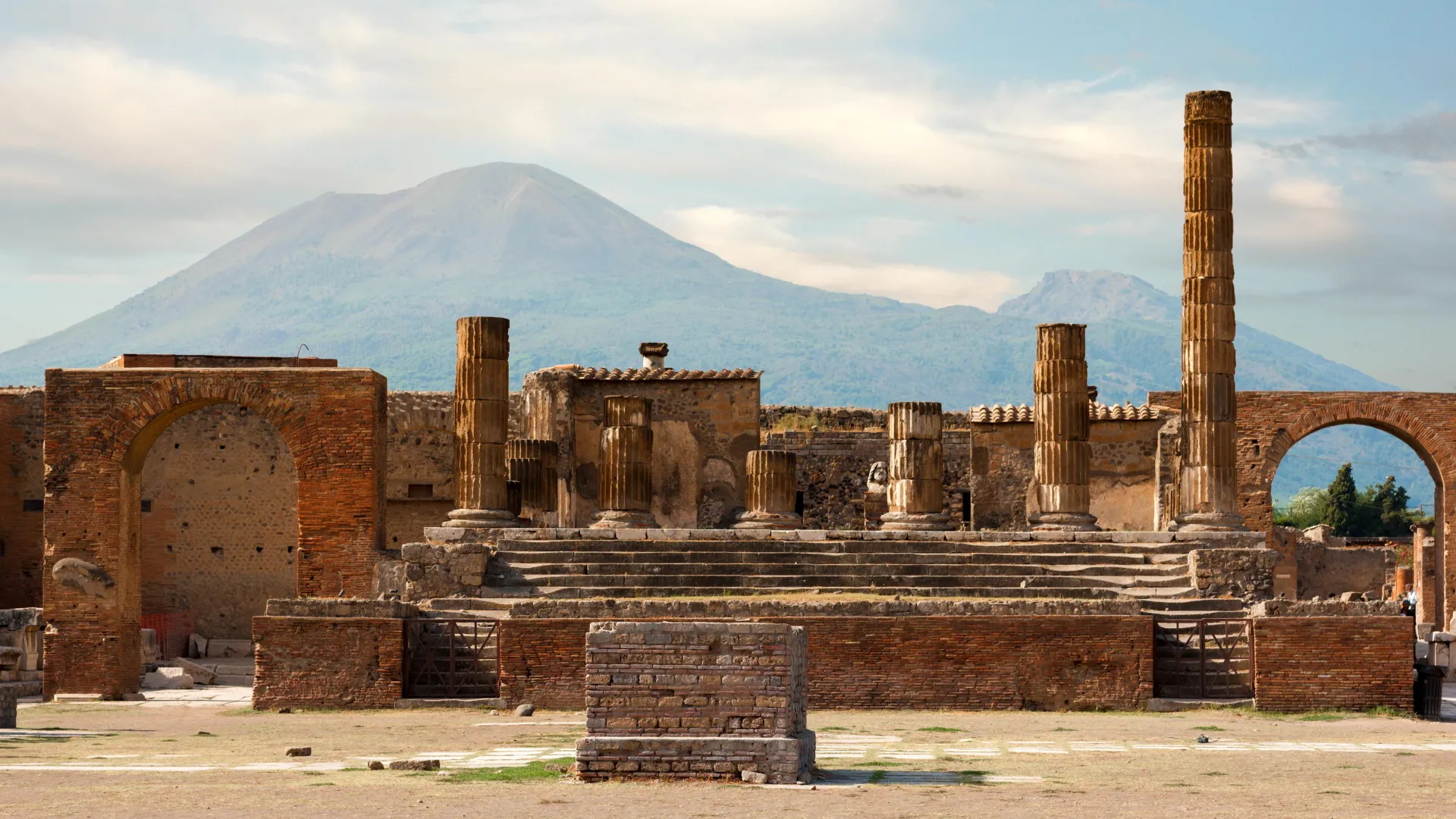
Mount Vesuvius’ famous 79 CE eruption has given scientists a remarkably precise benchmark for dating events deep in Earth’s past. The improved technique could sharpen the timelines of volcanic eruptions, asteroid impacts, extinctions, and other major moments in geological history.
📰
Official News Attribution
Credit to: ScienceDaily Earth & Climate
Pompeii’s 2,000-year-old eruption just gave scientists a better clock for Earth’s past
📖
Narrative & Context
Mount Vesuvius’ famous 79 CE eruption has given scientists a remarkably precise benchmark for dating events deep in Earth’s past. The improved technique could sharpen the timelines of volcanic eruptions, asteroid impacts, extinctions, and other major moments in geological history.
📌
Major Points & Key Findings
- Empirical study and investigation conducted on ground with primary scientific observers.
- Original findings independently analyzed across local environmental habitats and ecosystems.
- Corroborated directly through authenticated peer records and original source documentation.
📰
Complete News Dispatch & Investigation
💡
Conclusion
Mount Vesuvius’ famous 79 CE eruption has given scientists a remarkably precise benchmark for dating events deep in Earth’s past. The improved technique could sharpen the timelines of volcanic eruptions, asteroid impacts, extinctions, and other major moments in geological history.
🛡️ Source Attribution & Verification Trail
Verified Source
Credit to: ScienceDaily Earth & Climate
Original Author / Desk: ScienceDaily Earth & Climate
Publication Date: 30 Sep 2026
PrakritiWad Integrity Status: Primary source verified
Direct Source Link:
https://www.sciencedaily.com/releases/2026/09/260928100531.htm ↗
